

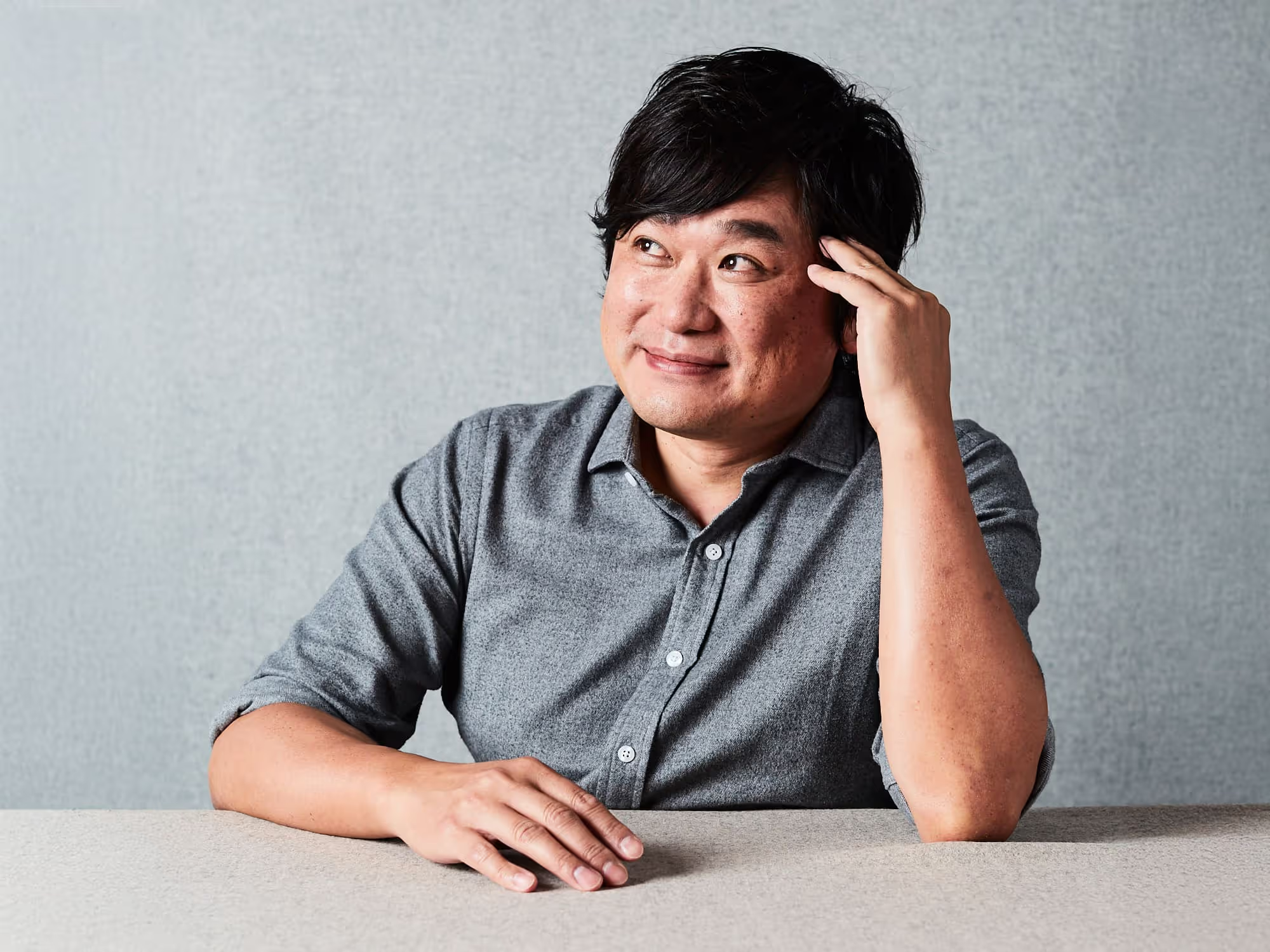
A conversation with writer and creative strategist, Jack Liang, on strategy, story, and why ideas come first
For more than two decades, we’ve worked alongside Jack Liang, aka Spellingbee – sometimes as collaborators, sometimes as creative sparring partners, always in pursuit of the same thing: ideas with substance.
Jack is a writer and strategist who operates at the intersection of branding, communications, and creative development. Over the years, he’s helped a wide range of organizations—from major financial institutions to mission-driven nonprofits—find their voice and tell their stories with clarity, precision, and emotional weight. His work spans brand positioning, messaging, naming, and copywriting. But what truly sets him apart is how seamlessly he moves between strategy and craft. For Jack, writing doesn’t sit downstream of thinking. It is thinking.
Our relationship goes back to our early days as young creatives, learning our craft under pressure and sharpening our ideas through constant challenge. That shared foundation of defending the why before the what, stripping away empty calories, and pushing for work that can hold its own in the real world still defines how we collaborate today.
In this conversation, CS principal Will and Jack reflect on the formative environments that shaped his thinking, the discipline of taste and restraint, the role of emotion in strategically sound work, and what it takes to sustain creative partnerships over decades. It’s a discussion about writing, yes, but more than that, it’s about judgment, trust, and the invisible work beneath the work.
Early Formation
CS: You, Paul, and I all started at Ove as young creatives. What did that environment teach you about thinking, not just execution?
Jack: Oh, the battle scars! You know, looking back on it now, that environment really did shape how we all think and work today.
I think as a young creative, when you’re getting grilled in internal reviews or standing in front of a client trying to sell them on your big idea and you’re forced to defend your work—you figure out pretty fast that having a cool concept isn’t enough. You'd better be able to explain why it works, why it's the right solution, and really, why they should trust you with their budget or their brand.
I mean, if you’re sitting across the table from a CEO or CMO, are they really going to geek out over the nuances of design theory or care about your clever typography? They’re not there for that. What they want to understand is what it means for their business.
So, as you know, we learned early on that the best way to get anyone on board is to always lead with the “why” before you even get to the “what.” Why are we doing this? Why is it the right solution? Why will this connect with their audience?
It became second nature for us to push each other on this. Like, “Okay, that’s really cool, but what’s the thinking behind it? What’s the strategic underpinning here?” There’s a reason we always talked about making our ideas bulletproof—and still do. Because if we couldn’t defend it under pressure, it probably wasn’t strong enough to begin with.
What I really valued about the way you and I worked was that even if we came up with the coolest, most aesthetic concept, if there was nothing solid underneath it, we’d rip it apart ourselves before anyone else could. It was like, “This is beautiful, but it’s empty calories.” And don’t get me wrong, I love cookie dough ice cream—and there’s a time and place for things that are just indulgent. But when you’re trying to solve real business challenges, you need more than that. You need ideas with weight and substance that can actually do the work.
That discipline of always asking “why” before “what”—that’s what stuck with me. It’s not about being precious with your ideas. It’s about making sure they’re actually good.
Beyond the Writer–Designer Divide
CS: You’ve often acted as a true concept partner rather than a downstream writer. What separates productive creative duos from dysfunctional ones?
Jack: I like to joke that I have two pet peeves that drive me irrationally insane. One is drivers in front of me who wait until the light turns green to flip on their left turn signal. The other is designers who arbitrarily change copy just to make their line breaks look prettier—you know, tweaking a headline or cutting words to make the layout flow better visually, without actually thinking about what it does to the message.
I think a strong creative duo is one where both partners fundamentally understand that design and writing work hand-in-hand. They’re not separate disciplines. They’re two sides of the same coin, and the most productive teams really understand the value of both.
There’s as much thought behind the words we choose as there is in every design decision we make. Every word is there for a reason—rhythm, tone, impact. And great designers get that. They respect the craft of writing the same way writers need to respect the craft of design.
And it does go both ways, of course. Writers can’t be too precious about their words either. If a designer comes back and says, “Hey, this is visually cluttered, can we tighten this up?” or “Can we find another way to say this so it doesn’t break across three lines?”—that’s a valid concern. I get it. And, yeah, that ugly line break bothers me too.
I think the best work happens when both sides respect each other, are willing to challenge one another, and ultimately make the work better together.
Thinking Before Language
CS: Your strongest work begins before words exist. How do you approach a problem before copy enters the picture?
Jack: As a writer, it’s kind of weird for me to say this, but words have never really come naturally to me. I think it stems from the fact that English wasn’t my first language. Growing up in an immigrant family, conversations at home were always this mix of English, Mandarin, and Cantonese—sometimes all three in the same sentence. I think a lot of first-gen Canadians or children of immigrants can relate to this. You’re trying to communicate with your parents, but you don’t always have the vocabulary in the language they understand best, and they don’t always have it in yours. So you improvise. You describe things in roundabout ways. You find creative workarounds to get your point across because you don’t have the right words.
And I think that shaped how I approach writing. Ideas have always been more important to me than the actual words themselves. Like, the thought is the thing—the concept, the message, the emotion you’re trying to express. The words are just the vehicle to get you there.
Don’t get me wrong, I love, love, LOVE beautiful prose. There’s something magical about a perfectly crafted sentence. But for me, the idea I’m trying to convey always takes the lead. Because at the end of the day, it’s not about showing off how well you can write. It’s about whether people actually “get” what you’re trying to say.
Taste as a Creative Skill
CS: Good taste drives judgment, restraint, and clarity. How do you define it—and how has yours been sharpened over time?
Jack: Hmm... that’s a tough one. I mean, how do you define what good taste is? That’s like asking someone to explain what “cool” is. If you can define it, it’s probably not.
I like what I like, but does that make it good? (The answer is yes by the way. Just kidding.) Someone else will absolutely hate my style—does that mean their taste is bad? (Also yes, haha.)
That said, I like what you said about restraint and clarity because that really speaks to me. I think my personal taste is defined by those qualities. It’s about knowing when to pull back, when to let an idea breathe, when to strip away everything that doesn’t need to be there. “Less, but better,” as Dieter Rams would say.
From Agencies to Independence
CS: What ultimately pushed you to start Spellingbee, and what did agency life fail to support as your thinking matured?
Jack: I wouldn’t want to position it as a failure at all—I mean, some of the best times of my career and closest friendships I made were from when we all worked together at Ove. Those years shaped so much of how I think and work today.
But for me, it really came down to wanting more control over the work I was doing. Control over what I was working on, who I was working with, and how I spent my time. In an agency, you’re often at the mercy of whatever comes through the door—sometimes it’s dream projects, sometimes it’s not. And as I matured creatively, I found myself wanting to be more selective. To say yes to the projects that excited me and no to the ones that didn’t.
There are absolutely pros and cons to going out on your own, of course. And it’s definitely not for everyone. I thought about it for years before I actually took the leap. There’s a certain security and structure that comes with agency life that you give up when you go solo or start your own thing. But I feel fortunate that things worked out the way they did for me.
That said, I do miss certain things. Like the camaraderie of the studio environment—the energy of being surrounded by talented people every day, the spontaneous conversations, just seeing my friends regularly. You can’t replace that. But do I miss the daily commute? Nope. Don’t miss that at all.
Strategy Disguised as Story
CS: Your writing often carries heavy strategic weight without feeling strategic. How do you turn abstract positioning into something people feel?
Jack: I’m a vibes guy, what can I say? How many times in our creative meetings have you heard me say, “I want to make the client cry”? And I mean that sincerely—not in a manipulative way, but in the sense that I want people to feel something when they encounter the work.
Because if people don’t feel anything, it doesn’t matter how strategically sound your positioning is. It just becomes noise. Or wallpaper. I don’t want work that feels focus-group tested or inauthentic or like it came out of a messaging workshop. I want work that feels human.
So, for me, it’s always about getting to the heart of the story you need to tell. Really understanding why it matters to the people you’re trying to reach. What’s the emotional truth at the heart of this? What’s the thing that’s going to make them lean in, pay attention, feel something they didn’t expect to feel?
And once you find that, the strategic part almost takes care of itself. Because when you connect with people emotionally, when you tap into something real, the strategy becomes invisible. It’s there, doing all the heavy lifting in the background, but what people experience is just the feeling. And that’s when you know you’ve got it right.
Writing That Asks People to Care
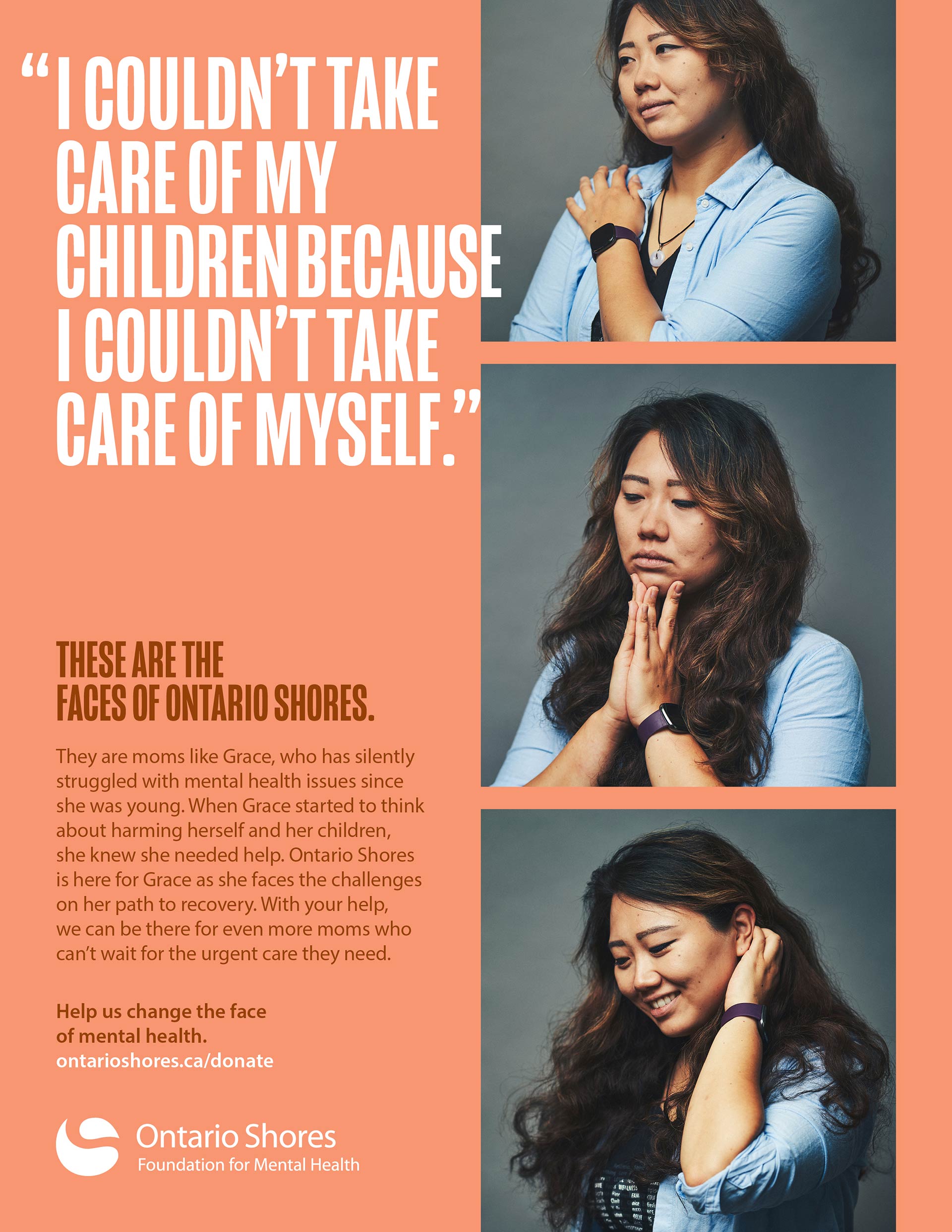
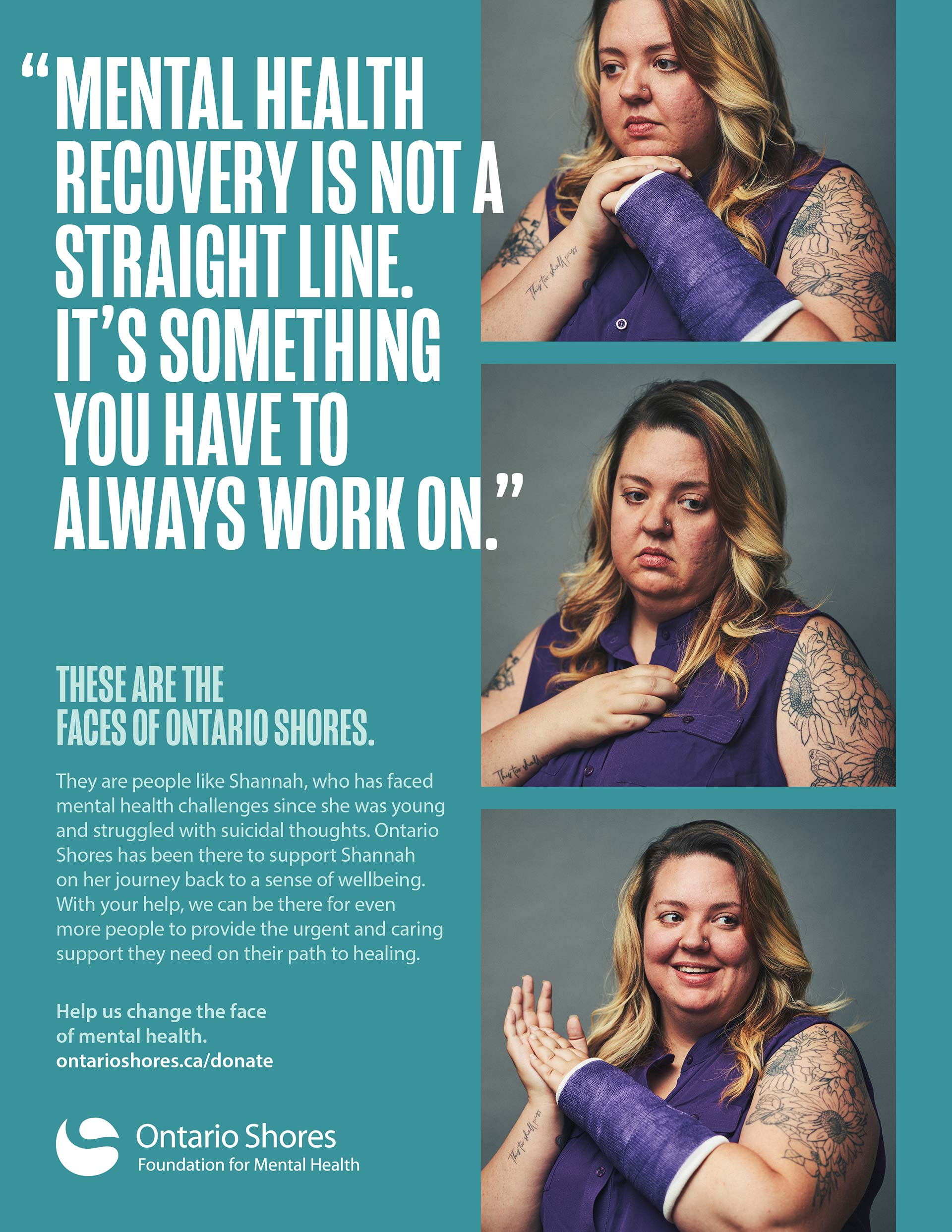
CS: Fundraising work demands emotional precision. Where do you draw the line between persuasion and manipulation?
Jack: It’s a fine line, isn’t it? For me, it comes down to authenticity. Being real in the emotions you’re conveying. If you’re manufacturing feelings just to pull at heartstrings, people can sense that. They might not be able to articulate why something feels off, but they’ll feel it. And once you lose that trust, it’s gone.
To me, it’s about telling a true story in the most compelling way possible. It’s about finding the human truth in a situation and bringing it to life so people can connect with it.
I think you just have to ask yourself: Are you being honest about the problem, the impact, and what’s at stake? Are you representing the people and communities you’re advocating for with dignity and accuracy? If the answer is yes, then you’re persuading. If you’re cutting corners on truth to amp up the emotional impact, that’s when you’ve probably crossed the line.
At the end of the day, the best fundraising work doesn’t need to manipulate because the real stories are powerful enough on their own. Your job is just to tell them well.
Why Clear Space Is Different
CS: You collaborate with many designers and studios. Why do you keep coming back to work with us—and what makes our way of working fundamentally different?
Jack: I think what makes our relationship so special is that we think in fundamentally the same way. We approach our work with the same strategic, integrated mindset where it’s never about protecting our individual turf. It’s not, “You do the design and I’ll do the writing, and let’s just hope it all comes together in the end.” We both understand that it’s the idea above all—wherever it comes from.
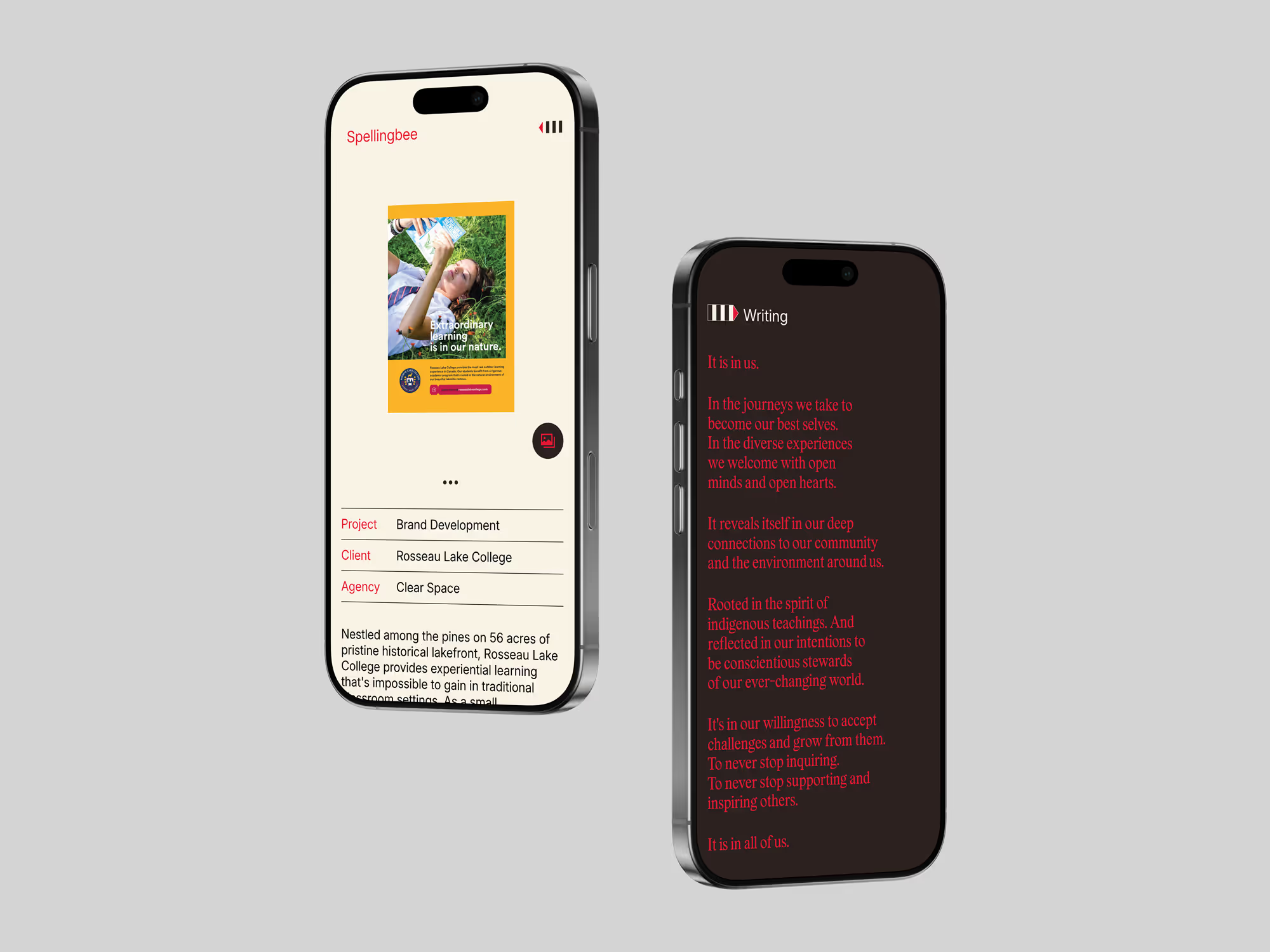
That’s why I loved working with Clear Space on the new Spellingbee website. It was really collaborative from the start. It wasn’t just, “Here’s what I want the site look to like, can you guys execute it?” We really worked together to understand what I needed the website to do. But even before that, you pushed me to take a step back and articulate what my business goals were going forward. You made me define that—which, as we all know, is hard to do for ourselves. And that all happened before we even talked about design.
Often there’s this invisible boundary where the writer stays in their lane and the designer stays in theirs. But with you guys, there’s this fluidity. You understand that strategy, design and communication all work together. You’ll push on the writing if it’s not working. I’ll push on the design if I think we can go further. And neither of us gets defensive about it because we’re both doing it in the interest of arriving at the best possible idea, executed in the best possible way.
Also, you guys are funny. I’m here for the jokes.
Sustaining Long Creative Relationships
CS: We’ve collaborated across decades and many projects. What allows a creative partnership to stay sharp rather than familiar?
Jack: I think a big part of it is that the way we originally worked together as a creative team—the way we learned to approach our thinking, challenge each other, and push for stronger ideas—that’s been instilled in the rest of your team. It’s not just you and me anymore. Or you, me and Paul. It’s a whole studio of people who think the same way, who apply the same rigour and curiosity to how they work. And they’re always bringing fresh perspectives to the table. New references, new ways of solving problems, new energy.
So even though we’ve been working together for years, it never feels like we’re just going through the motions. It’s so easy to just coast on what worked before—and you really have to catch yourself when you do. It’s important to keep evolving, keep bringing new voices into the conversation, keep challenging yourself to do better work than you did last time. Even if it is stressful sometimes to keep trying to top yourself.
The Unwritten Idea
CS: What’s a project, idea, or truth you’ve never been asked to write—but think the industry desperately needs to hear?
Jack: I don’t have enough of an ego to think the industry is desperately missing something from me. I mean, I’m not out here thinking, “If only they’d let me share my wisdom, everything would change.” That feels off brand for Spellingbee (haha). I’m just out here doing my thing.
Do I have projects or ideas I’d love to work on? Absolutely. But they’re more like personal projects than anything tied to creative briefs or client budgets. They’re the kind of things you make for yourself—not because someone’s paying you, but because you just need to get them out of your head and into the world.
I like the thought of producing something and sending it out into the ether to be received or not. No expectations, no agenda. Just putting it out there and seeing what happens.
Maybe it lands with someone right away. Maybe it takes years. Maybe it never does. But the act of creating it and releasing it—and trusting that if it’s meaningful, it’ll find its way to the people who need it. I think there’s something beautiful and freeing in that. In the thought that, kind of like starlight, one day this will reach you.
