

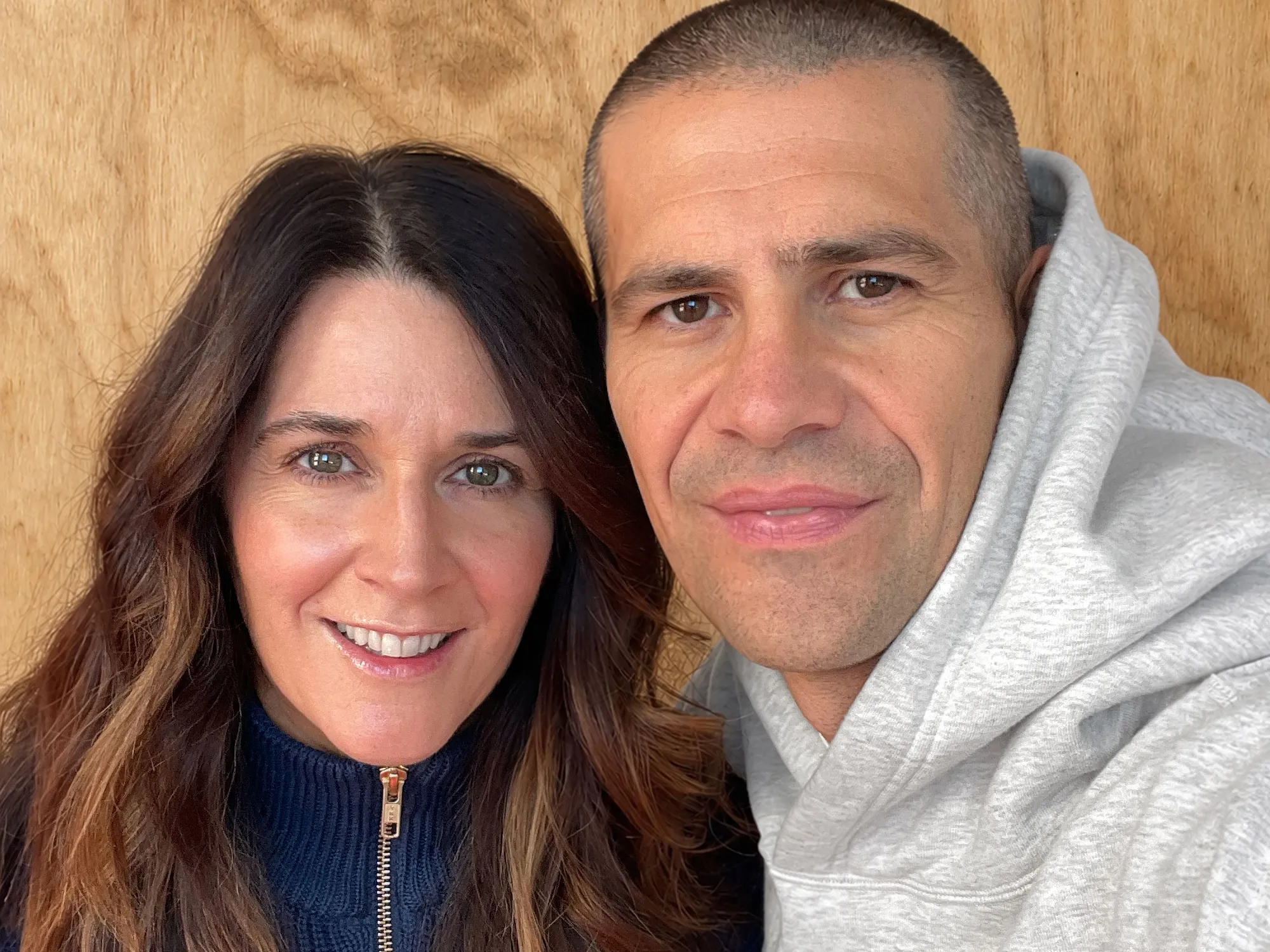
10 quick-fire questions on what’s behind Province of Canada’s “Canadian-made” lifestyle brand with founders Jeremy Watt and Julie Brown
Back in 2013, Clear Space moved into 181 Carlaw Avenue in Leslieville. A year later, Jeremy Watt and Julie Brown moved into the same building with a new brand called Province of Canada. We traded startup stories, admired each other’s office setups, and went on to build very different kinds of companies — we went fully remote, they went all-in on physical space. Twelve years later, Province of Canada has become one of the country’s most recognizable lifestyle brands, and its “Canadian-made” promise has never felt more timely. We caught up with Jeremy and Julie for a quick-fire Q&A on the design instincts, the shared creative process, and the storytelling that turned a concept into a movement.
CS: You both trained as graphic designers, not in fashion. Julie at Dawson, Jeremy at Seneca. What did coming at apparel as outsiders let you see that a fashion-trained founder might have missed?
Julie/Jeremy: Yeah it’s funny because we’ve never really considered that we were building a ‘fashion’ brand. The graphic design background made us look at clothing as a blank canvas for our creativity. We’ve always been less focused on season to season collections and more about getting out our vision. We were inspired by all the iconic lifestyle brands, where it’s more about creating a world versus designing specific pieces.
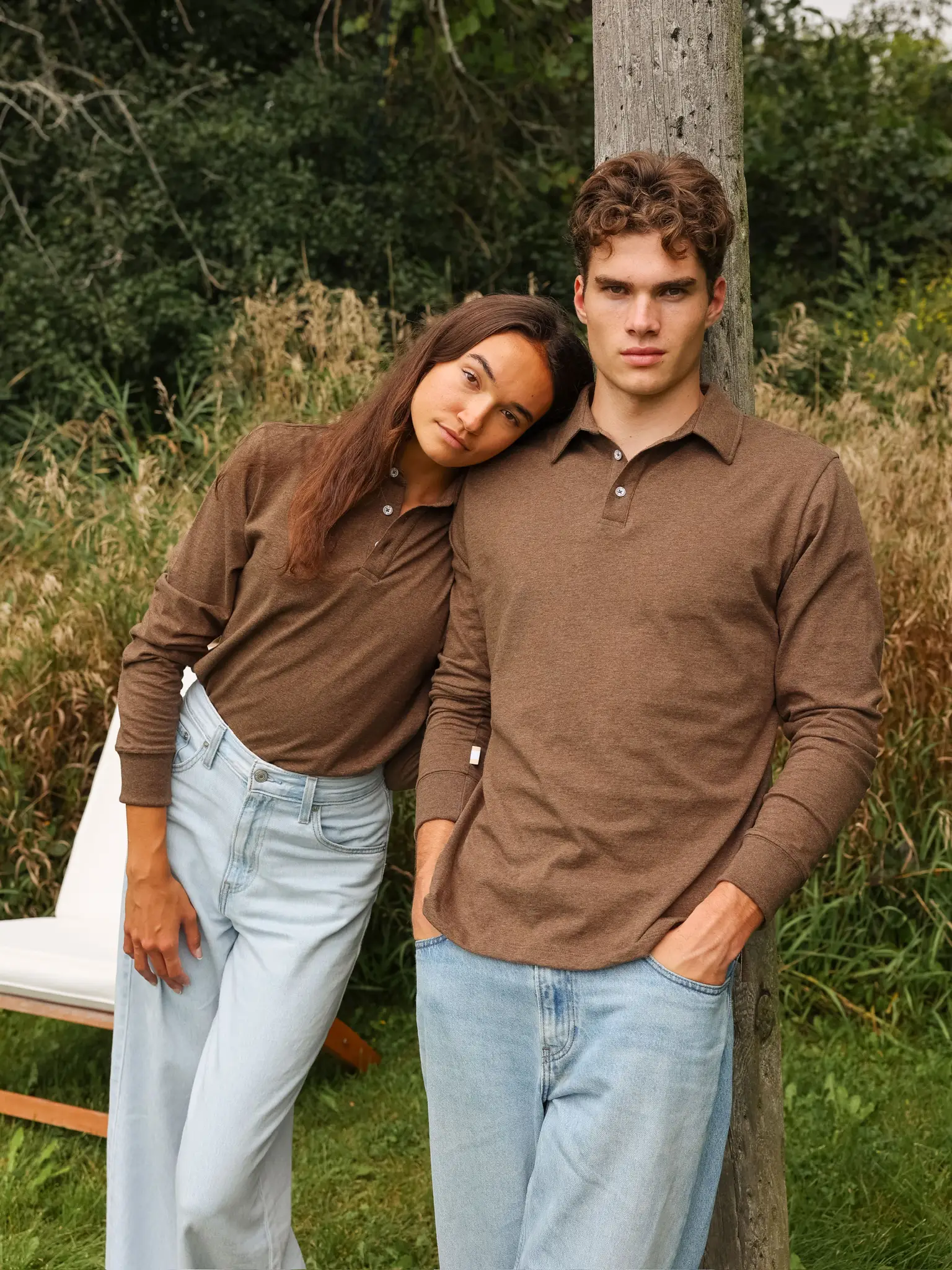
CS: Looking back at your first product line, what were you actually designing: a product, or a symbol?
Julie/Jeremy: More of a symbol but really it was a concept. We had a gut feeling that the concept of a made in Canada lifestyle brand with a modern take on what a Canadian brand could be would resonate with a lot of people.
CS: Province of Canada's look reads as restrained. A lot of white space, a muted palette, minimal branding on the garments themselves. Was that a deliberate reaction against louder streetwear and fast-fashion branding, or just how you naturally design?
Julie/Jeremy: That just comes from what Julie and I like. Minimal but thoughtful is the combo we are always trying to hit.
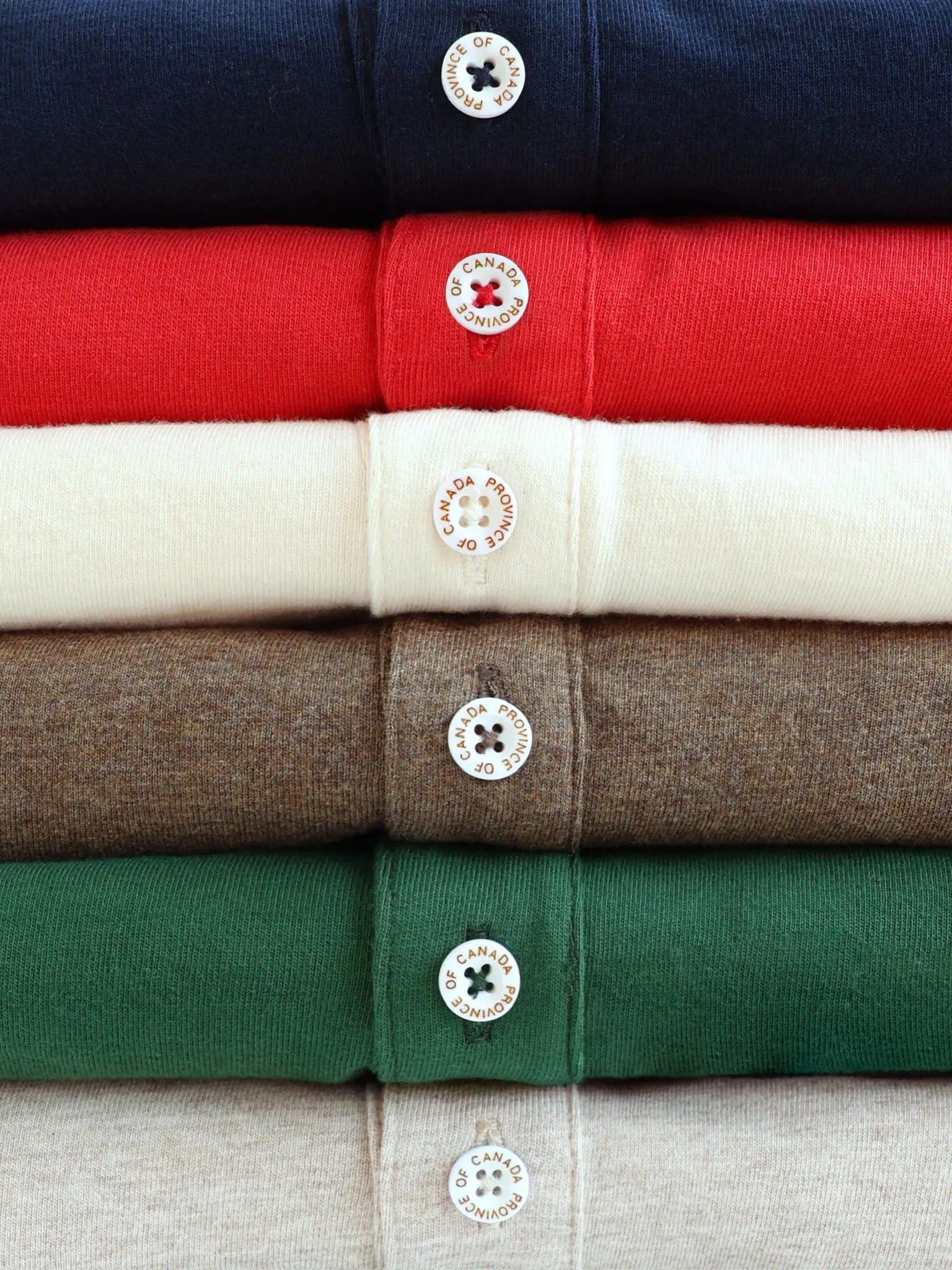
CS: How did you land on your colour palette and typography, and how much has either shifted since 2014?
Julie/Jeremy: A lot. Back in 2014, influenced by streetwear, black and white and grey was having a big moment. We layered that approach with a vintage looking varsity typeface to design our original logo. After establishing that look in Canada, in 2018 we knew it was time to set ourselves apart with a rebrand. That rebrand also influenced a wider range of colours used within our design elements and the clothing itself.
CS: Do design decisions get made differently between the two of you? Is there a "Jeremy call" and a "Julie call," or is everything co-designed?
Julie/Jeremy: 100% co-designed. I think in a way it’s our secret sauce. We have a shared design language that we speak but we both bring unique characteristics to everything we design. More often than not, when we land on a winning design solution it’s a marriage of two of our ideas to make up one good idea.
CS: Where do you actually find ideas? Is there a habit, a place, a kind of research you both go back to? And once an idea shows up, what does the process look like to get it from a rough thought to something you'd put on a shelf?
Julie/Jeremy: There’s no set process, but I would say in most cases we talk a lot about the overall mood or vibe a collection or product needs to hit. From there we are always bookmarking inspiration from anywhere and everywhere. Often for Julie and I there’s a lot of overlap when flagging inspiration. As of late, it’s been less about needing to find ideas but rather the ideas coming to us through what’s going on in the world around us.
From there we’re still often the ones who may sketch out or layout the first iterations of the product. We create sample product leads to help us visualize what the finish product would be. From there we make a plan for production, to bring the end result to life.
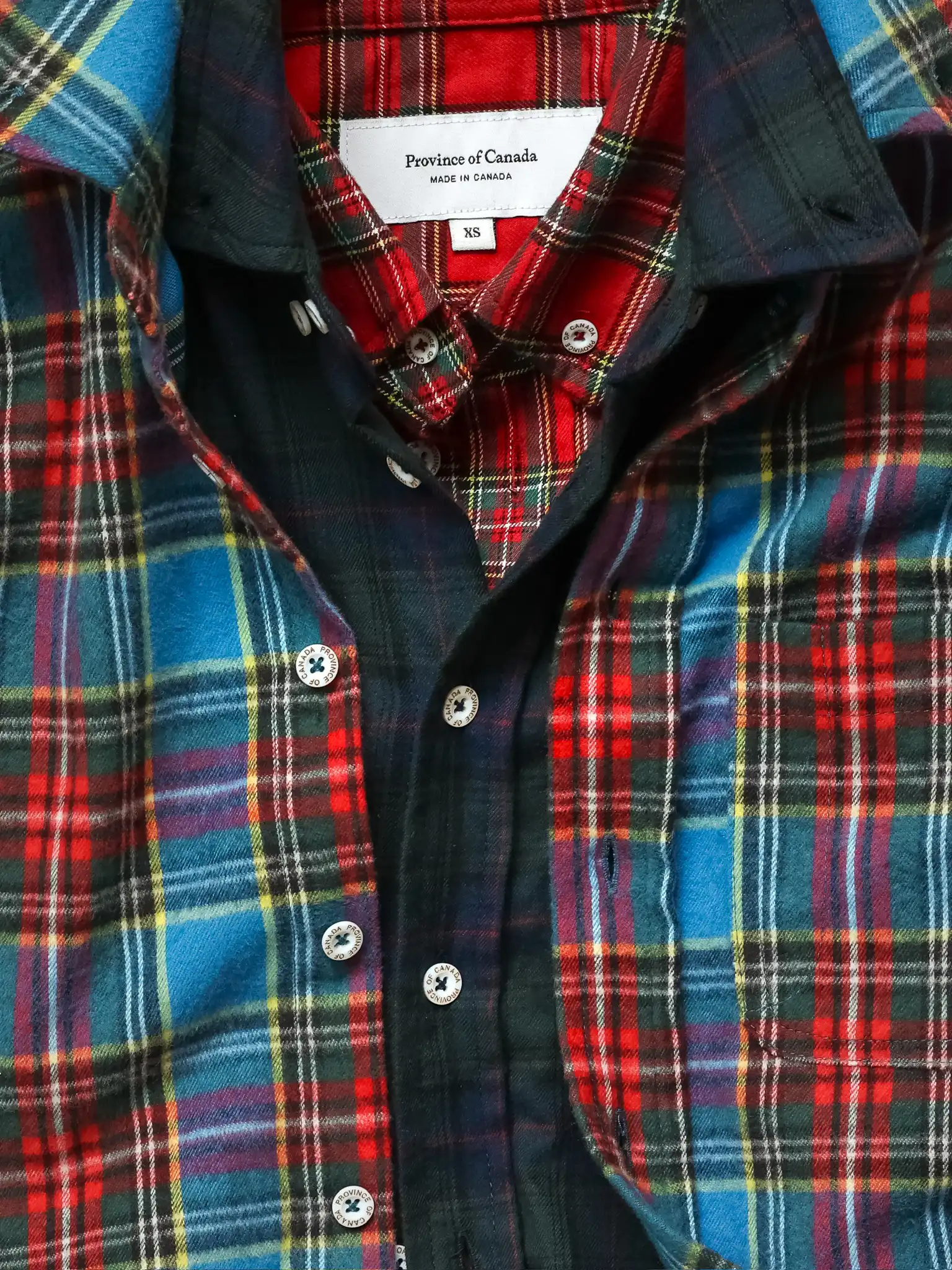
CS: Jeremy, you shoot all of Province of Canada's photography yourself. What does keeping that in-house give you that hiring it out never could?
Julie/Jeremy: A lot of extra work, ha. Julie and I work hand in hand at our photoshoots, and we do it in a way that is the photoshoot version of completing each other’s sentences. That shared vision of what we are trying to achieve is right in front of us and we know what it should look like and how the photo should be cropped and styled etc. It saves us the task of trying to communicate that to a photographer who isn’t locked into what we are trying to do.
CS: You've talked about William Booth's branding instincts growing up around The Salvation Army; reclaiming music, symbols, even soap. What did that teach you about building a brand people actually believe in, versus one they just buy from?
Julie/Jeremy: Authentic storytelling.
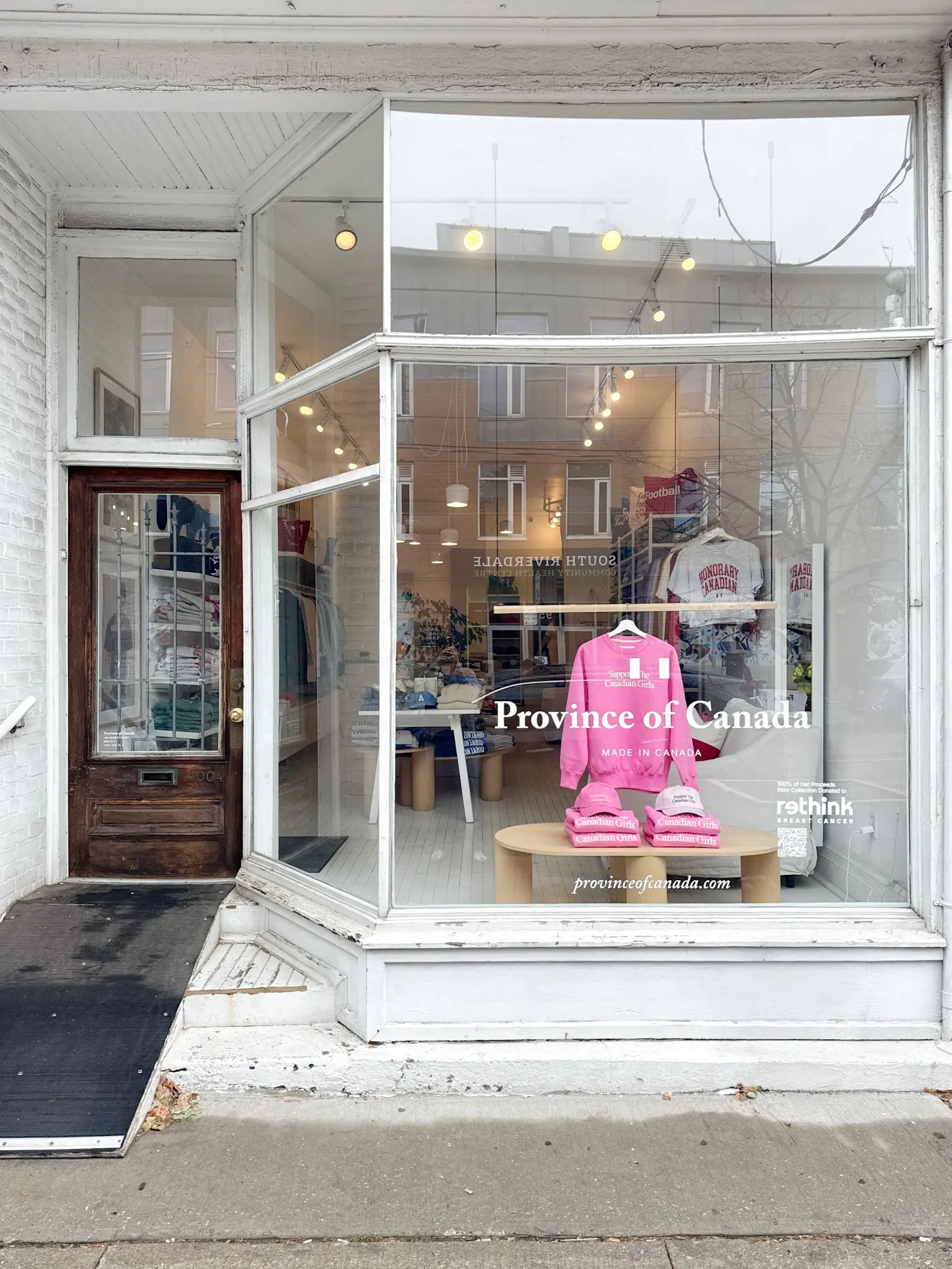
CS: Clear Space and Province of Canada were office neighbours at 181 Carlaw back in 2013 and 2014, swapping startup war stories before either company knew what it would become. Since then, we went from an office to fully remote, and you went from online-only to opening storefronts and pop-ups from Leslieville to Pearson Airport. What did going the opposite direction teach you about what a brand needs a physical room for?
Julie/Jeremy: It goes back to the original vision Julie and I had for the brand.
We always knew that having physical spaces was going to be a key component of building a brand people could cozy up to.
It’s a huge part of the lifestyle brand puzzle. Opening that first store changed everything for the brand.
CS: You've been building the "Canadian-made" story since 2014, long before it was a trade-war talking point. What's it like watching a decade-old brand promise suddenly become the most valuable line on your label? And is there a risk the story starts doing the work the product itself used to have to do?
Julie/Jeremy: In this moment it’s hard to see any drawbacks from made in Canada products having a moment. We’ve been trying to meet that moment and use it as fuel. It’s taken our purpose and elevated it and has put our brand in-front of more people. The biggest risk, which we remind ourselves every day of, is not to take it for granted. With every existing and new customer, we want to give them an experience that is more than just something on a label. We're out here trying to gain their trust and make them lifelong fans.
